Garment dyeing is a process with a history spanning decades; why has it made a comeback?
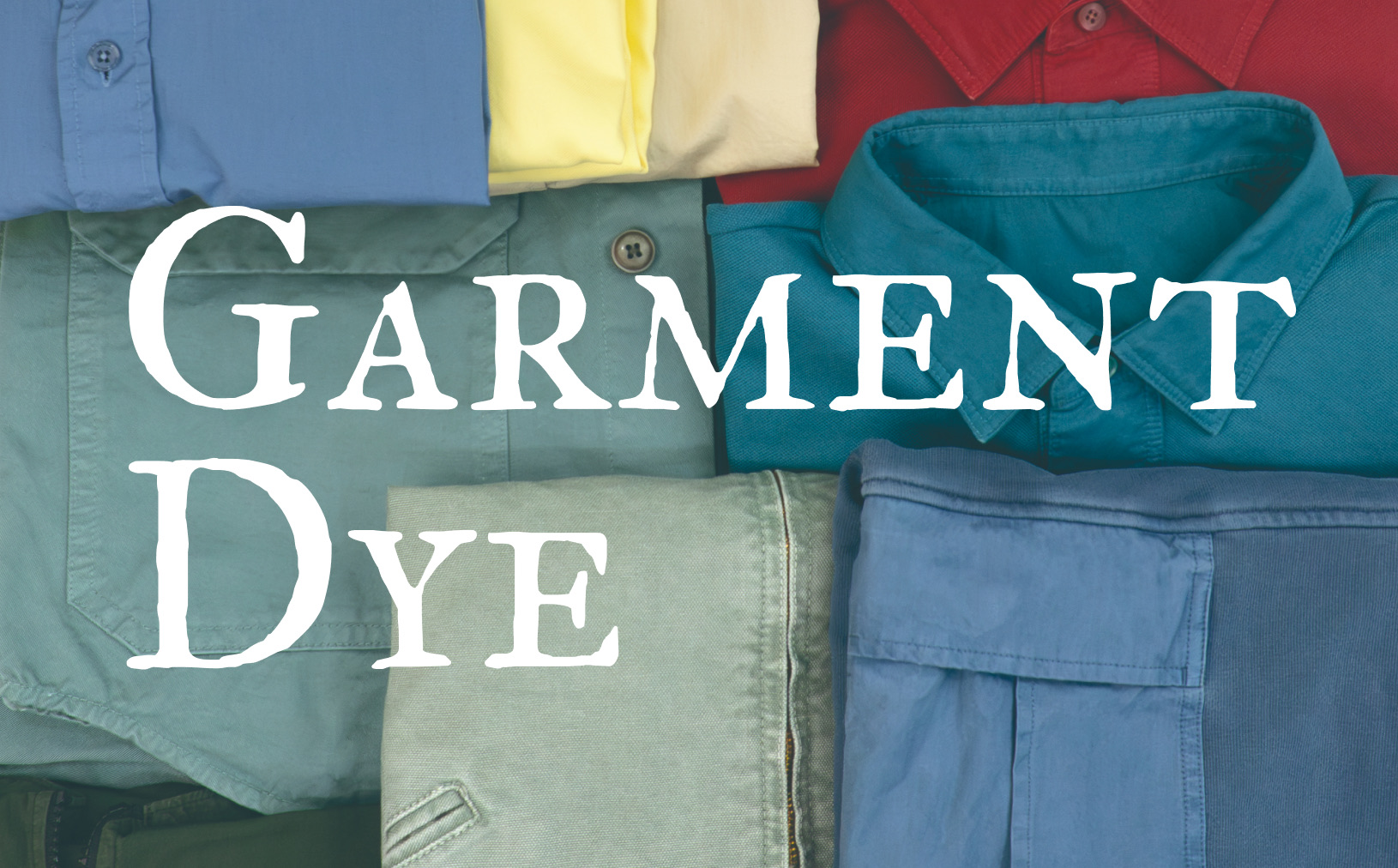
Garment dyeing has existed for decades. From Benetton and Massimo Osti to today's workwear and small-batch brands, here is how it evolved and why it is back.
If you have been keeping an eye on menswear, workwear, vintage-style clothing, or outdoor gear recently, you may have noticed an interesting trend: "garment dyeing" is frequently reappearing in product descriptions. From T-shirts and shirts to jackets and trousers—and spanning brands ranging from Carhartt WIP, C.P. Company, and Stone Island to a host of contemporary menswear, workwear, and vintage-inspired labels—garment dyeing is becoming a ubiquitous feature of product storytelling.
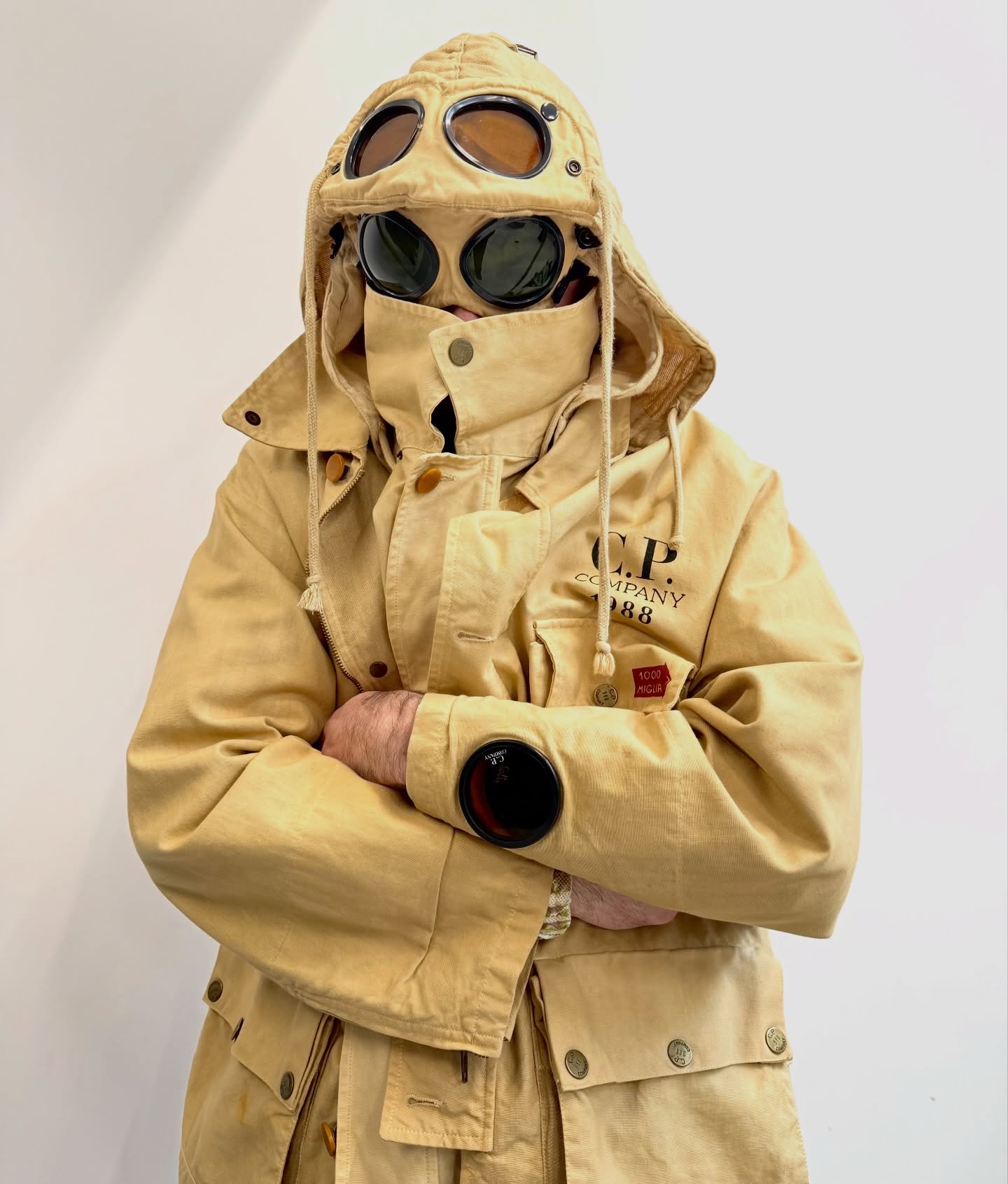
C.P. Company - Mille Miglia jacket 1988
Interestingly, however, garment dyeing is not a new technology; it has been around for decades. As early as the 1970s and 1980s, European clothing brands were already using it to address issues related to color, inventory, and product texture.
So, the question arises: why has a garment-making technique that existed decades ago suddenly regained attention today? The answer goes beyond a simple "retro revival." In reality, it stems from a convergence of changes in garment production technology, supply chain models, consumer aesthetics, and brand product strategies.
Chapter 1: How exactly did garment dyeing come about?
To understand why garment dyeing has made a comeback, we must first grasp exactly which stage of traditional garment production it alters. The conventional production process typically follows this sequence:
yarn → fabric → dyeing → cutting → sewing → finished garment
In other words, for a blue shirt, the fabric is usually already blue before it even reaches the cutting room. Garment dyeing reverses this order:
greige fabric → cutting → sewing → finished garment → dyeing
Essentially, the garment is fully constructed first, and then the entire piece is placed into a dye vat. While this may appear to be merely shifting the "dyeing" step to a later stage, it actually transforms both the visual aesthetic of the clothing and the logic of the supply chain.
Garment dyeing was not originally intended to create a "distressed" look.
Nowadays, for most of the people when they first encounter Garment-dye, they will just be reminded of washed, vintage, faded, lived-in.
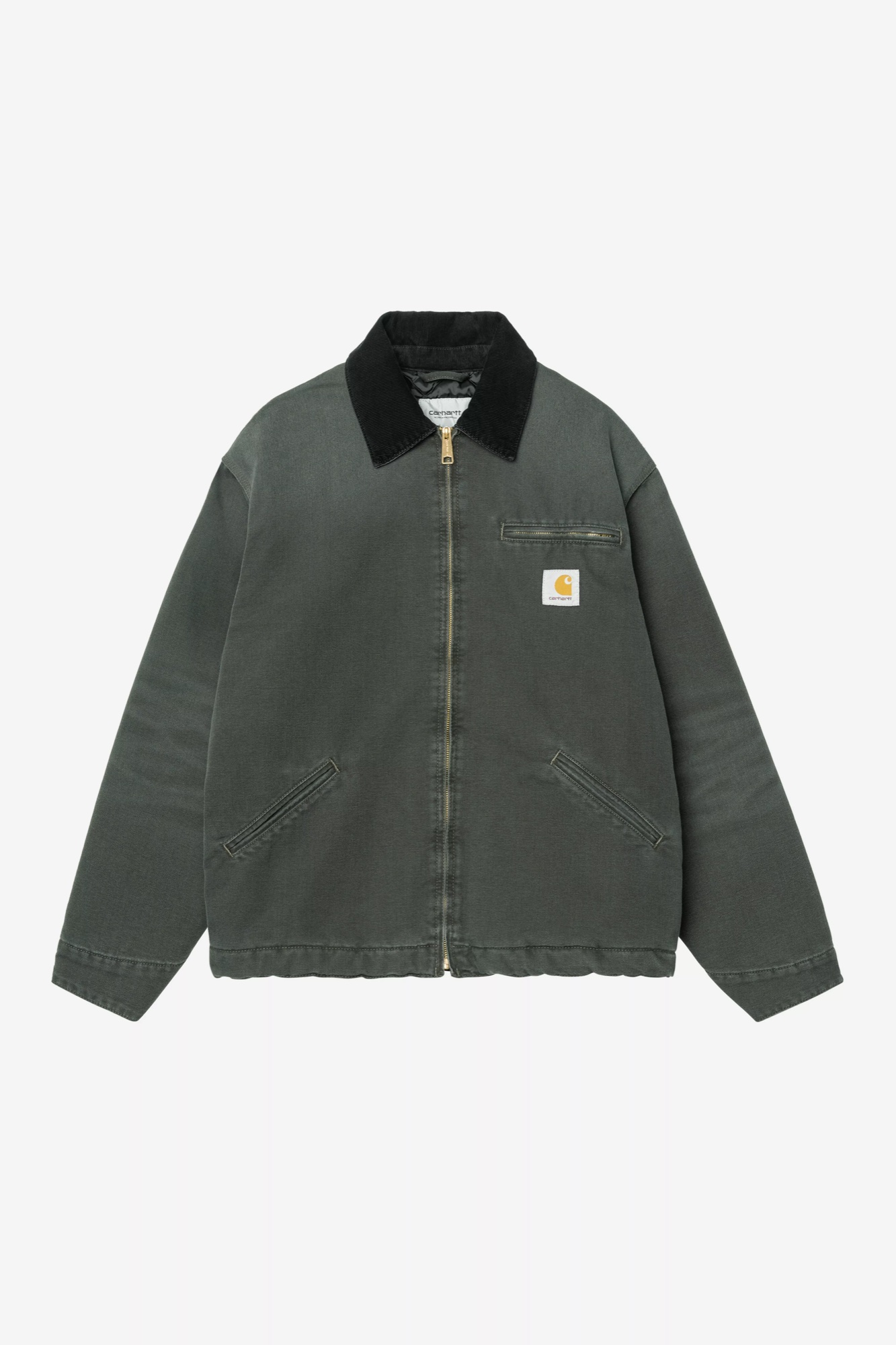
Carhartt WIP
A significant early example comes from the Italian brand Benetton. Starting in the 1960s, Benetton adopted a commercially astute approach: manufacturing ready-to-wear knitwear in neutral or undyed states, then determining the final colors based on orders and market demand. This meant the brand did not need to stock up on large quantities of various colors in advance. If the market called for green, a batch of garments could simply be dyed green; conversely, if a particular color performed poorly, the company avoided the burden of holding large inventories of pre-dyed fabric.
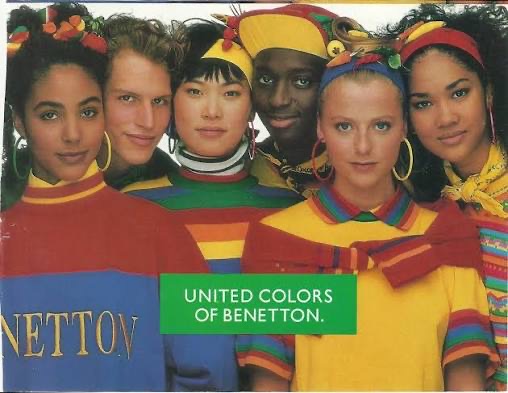
benetton
This approach actually corresponds to a highly modern business concept: deferring "color decisions" to the later stages of the supply chain as much as possible. Benetton’s archives also cite this method as a key innovation behind its commercial success. Thus, garment dyeing has possessed dual attributes from the very beginning: aesthetic qualities and supply chain implications.
Chapter 2: Massimo Osti - Garment dyeing truly became a design language.
If Benetton demonstrated the commercial value of garment dyeing, then the person who truly established it as a design language in modern menswear is a figure who is all but impossible to overlook: Massimo Osti.
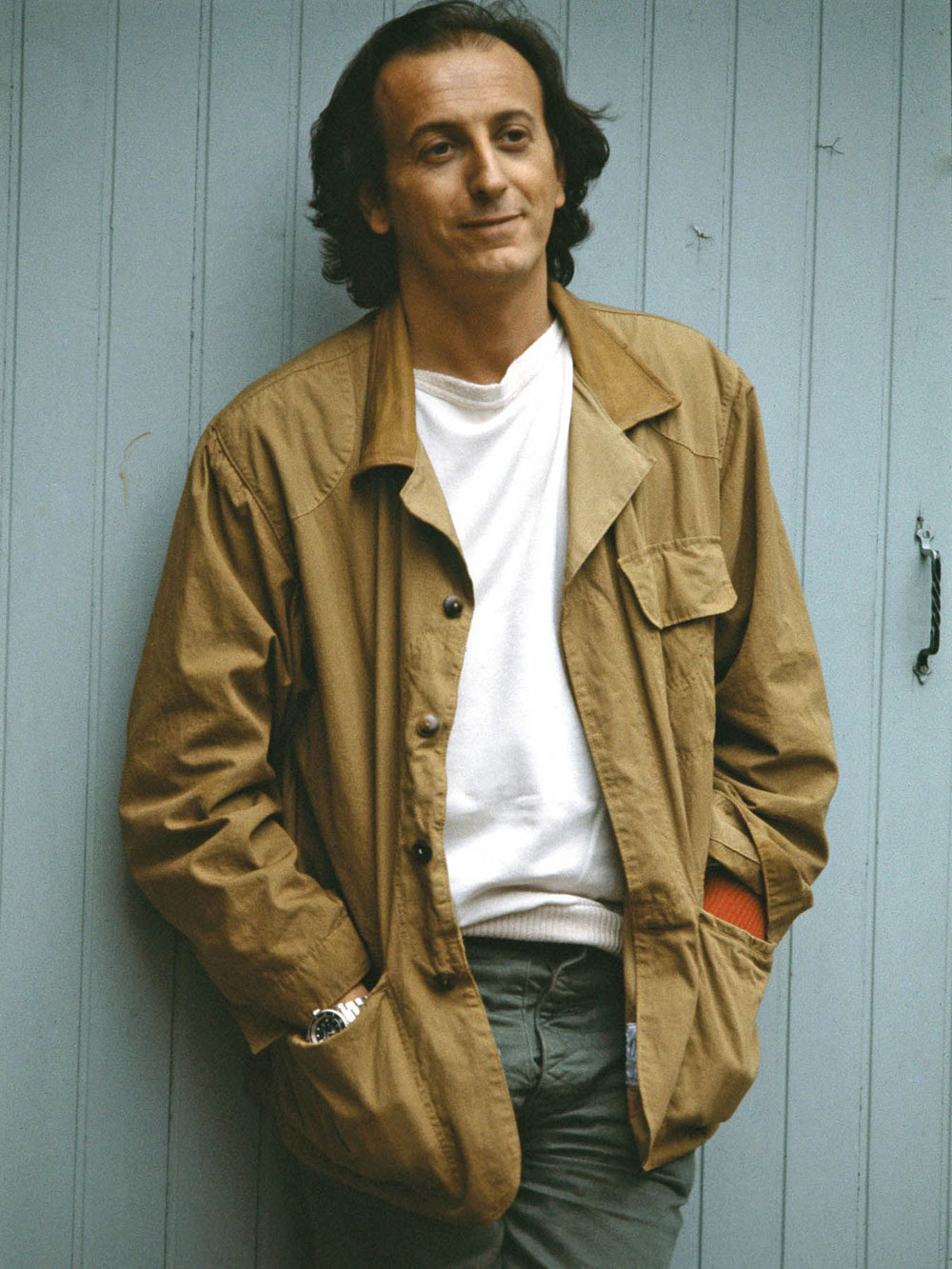
Massimo Osti
In 1970s Italy, Massimo Osti began experimenting extensively with garment dyeing for his clothing brand. At the time, the standard approach to dyeing followed a specific sequence: dyeing fabrics of various colors first, followed by cutting, sewing, and finally garment assembly. Osti, however, began to consider a different question: what would happen if different materials were placed into the same dye bath?
The answer was interesting. Different fibers absorb dye at varying rates; cotton, nylon, wool, rubber, and various coated materials do not take up color in exactly the same way. Consequently, a single garment could end up displaying varying shades of color, even when dyed using only one type of dye.
For example:
- The main fabric is dark green.
- The nylon pocket is slightly brighter.
- The stitching is a shade lighter.
- The color is deeper at the panel seams.
- A subtle tone-on-tone effect appears where different materials meet.
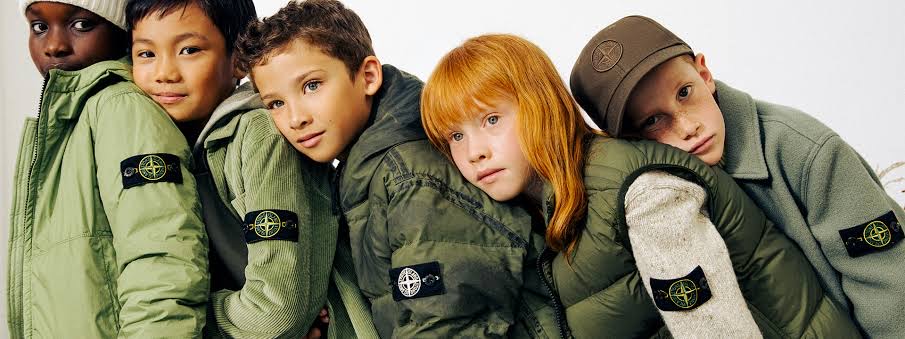
stone island
This became the highly distinctive visual language that would later define C.P. Company and Stone Island. C.P. Company’s official records describe the experiments of the 1970s as follows: garments composed of various fabrics and fibers were placed into a single dye bath, causing the different materials to react to the dye in distinct ways. At this point, garment dyeing underwent a crucial transformation: it evolved from a mere production method into a design approach.
Chapter 3: What technological changes have actually taken place in garment dyeing over the past few decades?
If one looks only at the result visible to the consumer, one might think: "Isn't it just a matter of putting the clothes into a dye vat?" In reality, the most significant changes in garment dyeing over the past few decades have occurred precisely where the consumer cannot see them.
From simple, single-fabric items to multi-fiber garments.
Early garment dyeing was relatively straightforward—cotton was simply dyed as cotton. However, modern garments have become increasingly complex, incorporating a mix of materials such as cotton, nylon, polyurethane, coatings, linings, zippers, and seam-sealing tapes. This presents a challenge: different materials require different dye systems. For instance, cotton typically uses reactive dyes, whereas nylon may require acid dyes. Consequently, a core technical challenge in dyeing complex garments is achieving distinct yet harmonious colors across these various materials within a single dyeing process. C.P. Company’s early experiments serve as a classic example of this approach.
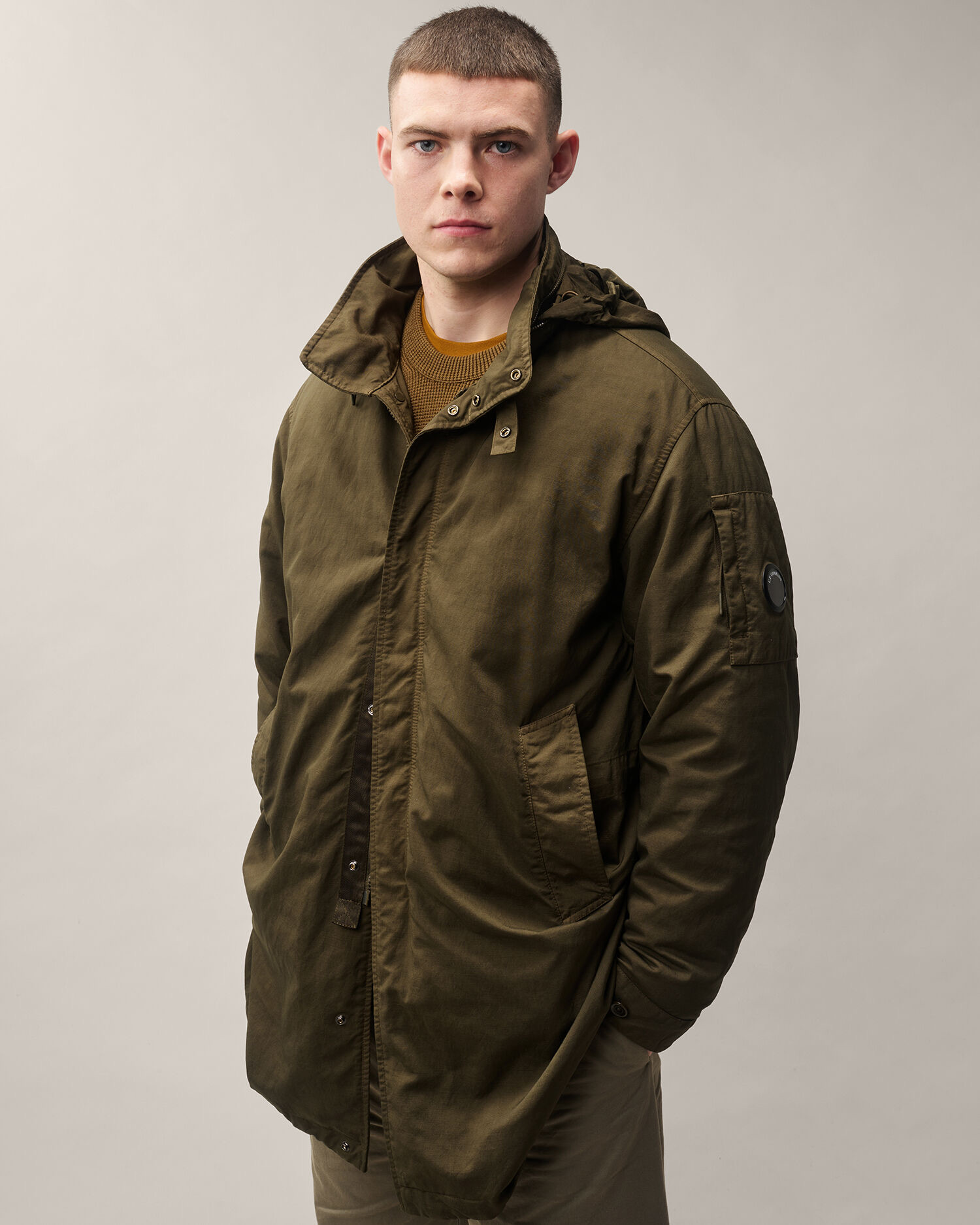
C.P company
From "Capable of Dyeing" to "Controllable"
One of the major challenges in early garment dyeing was inconsistency. Using the exact same color formula, the result might be dark green one day, lean towards blue in the next batch, and appear slightly grayish in another. This is because garments are far more complex than simple fabrics; they involve seams, cuffs, collars, pockets, paneling, variations in thickness, and a mix of different fabrics and accessories.
Consequently, modern garment dyeing relies increasingly on precise control over temperature, pH levels, dye liquor circulation, mechanical movement, automated dosing, and timing, alongside the digitization of formulas and color difference monitoring. Modern equipment has evolved from simple machinery—such as traditional paddle machines—into automated systems featuring microprocessors, automatic dosing, variable-speed drums, low liquor ratios, and automatic sampling capabilities.
From traditional dyes to pigment dyeing, overdyeing, and tinting:
Garment dyeing is no longer limited to a single method. Examples include:
Reactive dye: The dye forms a chemical bond with the fiber. Key characteristics typically include rich, saturated colors and good wash fastness; it is particularly suitable for cellulosic fibers such as cotton.
Pigment dye: Instead of penetrating the fiber to form a chemical bond in the traditional sense, the pigment adheres to the fiber surface using a binder. It is ideally suited for producing:
- washed look
- vintage look
- faded effect
- worn-in appearance
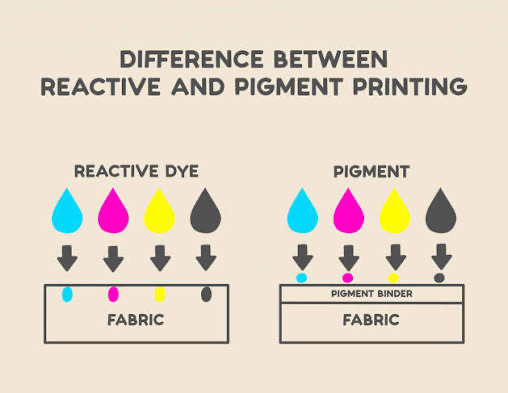
Reactive-dye VS Pigment-dye
Overdye: Start with a base color, then apply a second round of dyeing. This creates more complex color gradations.
Tinting: Through very light dyeing or color modification, garments acquire subtle tonal variations.
A 2026 review on garment dyeing identifies reactive dyeing, pigment coloration, over-dyeing, tie-dyeing, and tinting as key directions in the field. Consequently, garment dyeing has evolved from the simple act of "dyeing a white garment blue" into a comprehensive process system that controls color, material, the degree of distressed/worn-in looks, and surface effects.
A Crucial Upgrade: Teical Fabrics Can Now Be Garment-Dyed
This marks perhaps the most intriguing step in the evolution of garment dyeing. Traditionally, the process was largely limited to cotton, linen, wool, and knitwear. However, modern apparel increasingly incorporates materials such as nylon, polyester, TPU, coated fabrics, membranes, Gore-Tex, and composites. If these materials could not undergo the dyeing process, the creative possibilities for garment-dyed designs would be severely restricted.
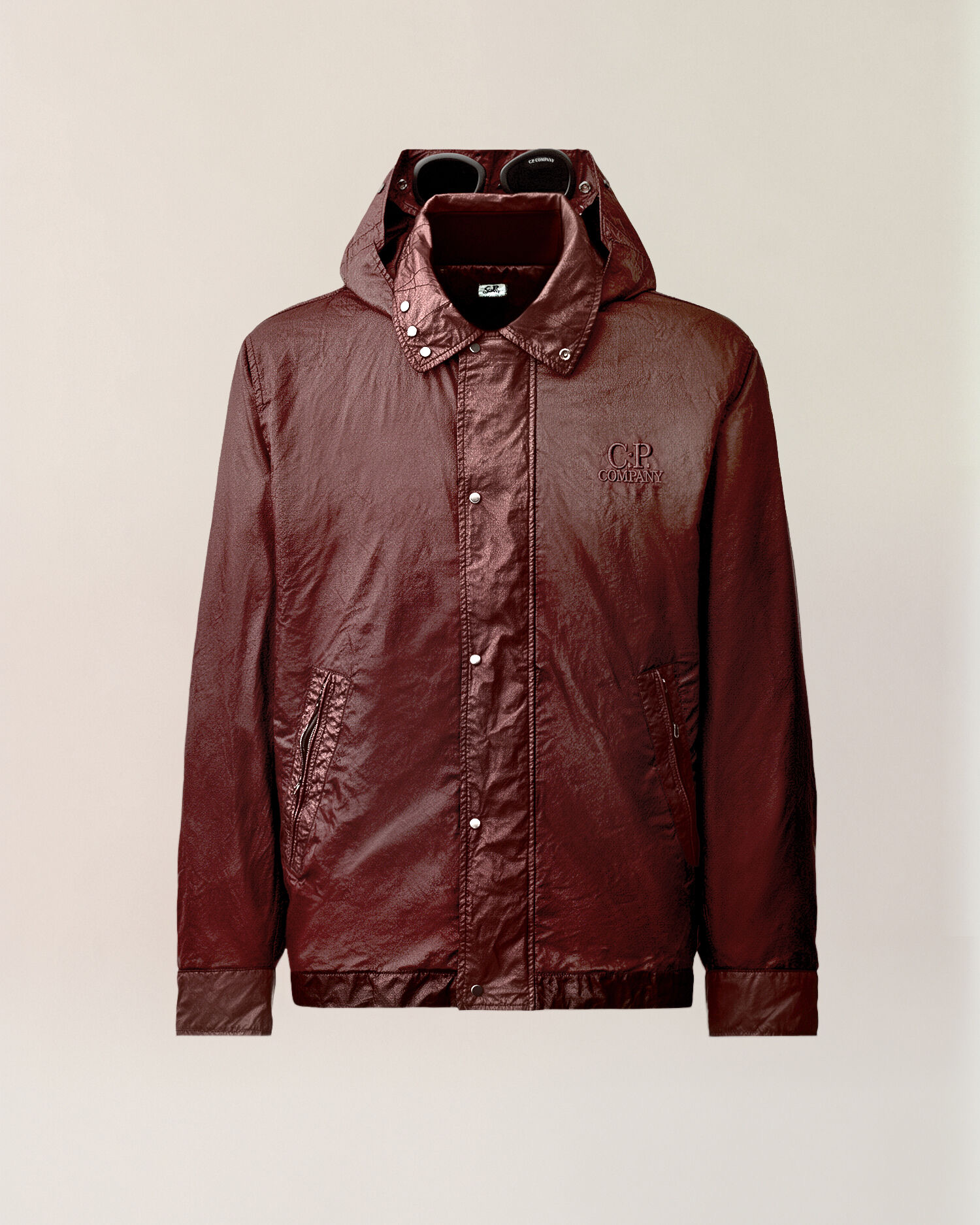
C.P company Nylon synthetic fabric Garment dye
In 2005, C.P. Company launched a garment-dyed Gore-Tex product—a pivotal milestone that saw garment dyeing expand beyond traditional natural fibers into the realm of functional technical fabrics. According to the brand, this project subsequently served as a key technical foundation for its Gore G-Type product line.
This signifies that garment dyeing has evolved from a "vintage apparel technique" into the domain of technical clothing.
Chapter 4: Then, why it becomes popular again?
Now comes the truly interesting question. The current popularity of garment dyeing isn't simply because "people like the vintage look"; it actually meets several core needs of the contemporary fashion market.
Consumers embrace "imperfection"
In the past, industrial garment manufacturing prioritized absolute uniformity; items in the same batch were identical in color, size, surface finish, and texture. Today, however, consumer tastes are shifting. There is a growing preference for aesthetics described as washed, faded, vintage, lived-in, worn-in, imperfect, or broken-in. In other words, the quality of a new garment looking as though it has already been worn for some time has become a value in itself.
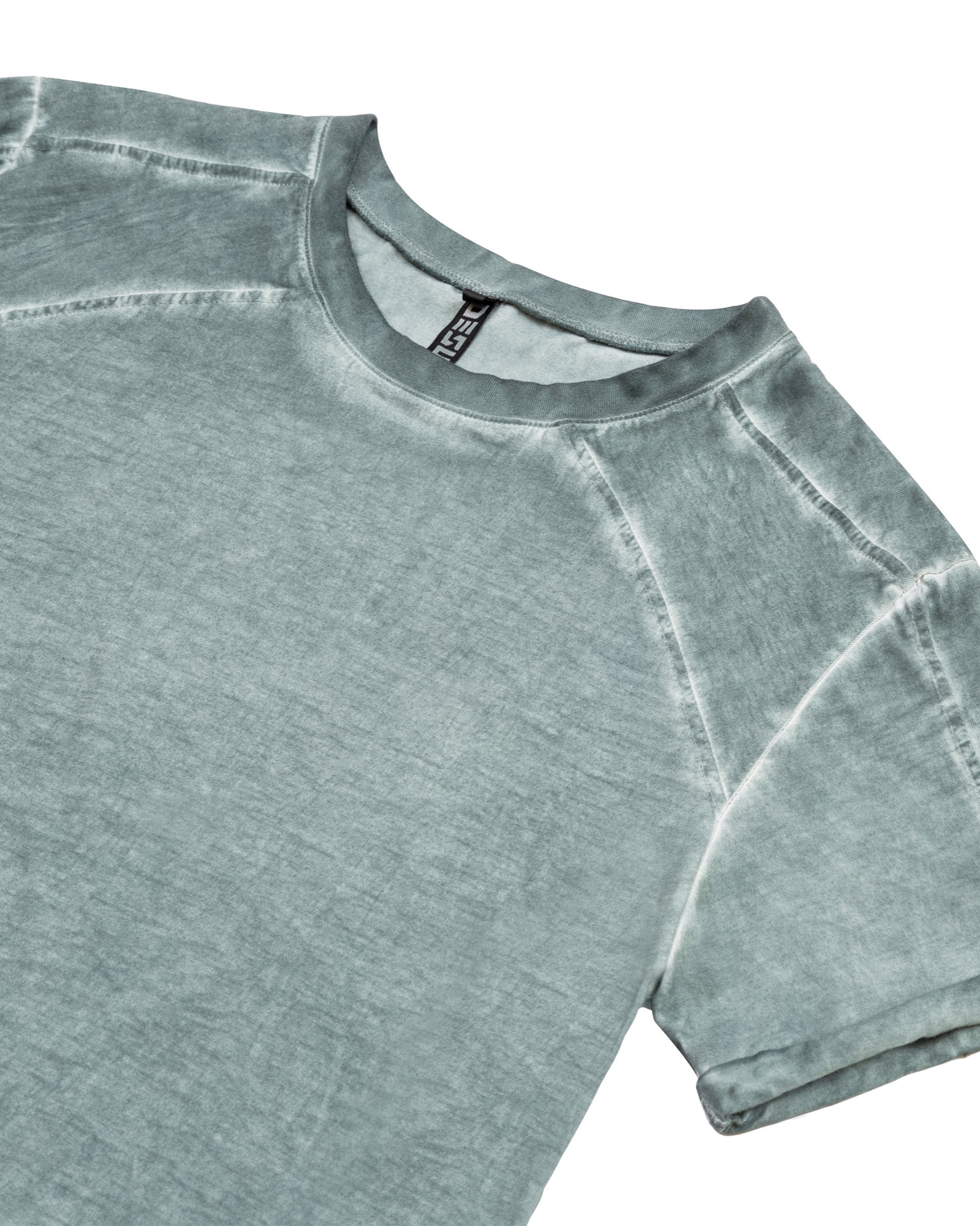
"imperfection"
This is precisely where garment dyeing excels. During the dyeing process, subtle color variations naturally emerge around areas like stitching, folds, pockets, and seams. Consequently, the garment does not present a flat, uniform color; instead, it acquires depth, shading, and a sense of lived-in character. Carhartt WIP highlights this effect in its descriptions of garment-dyed products, noting how the color varies in intensity at the seams and stitches, giving the clothing the look and feel of a well-worn piece.
Workwear, military, and outdoor styles are exactly what call for this kind of effect.
In recent years, the apparel market has increasingly focused on styles such as workwear, military, utility, outdoor, Gorpcore, and vintage sportswear. These styles share a common trait: an aversion to clothing that looks "too pristine."
A work jacket often lacks authenticity if it appears as though it just rolled off a production line for office suits. However, if the pockets are slightly darker, the seams show tonal variations, the fabric is lightly faded, discoloration appears around the hardware, and the surface bears a hint of age, it aligns much more closely with the consumer's mental image of "authentic workwear."
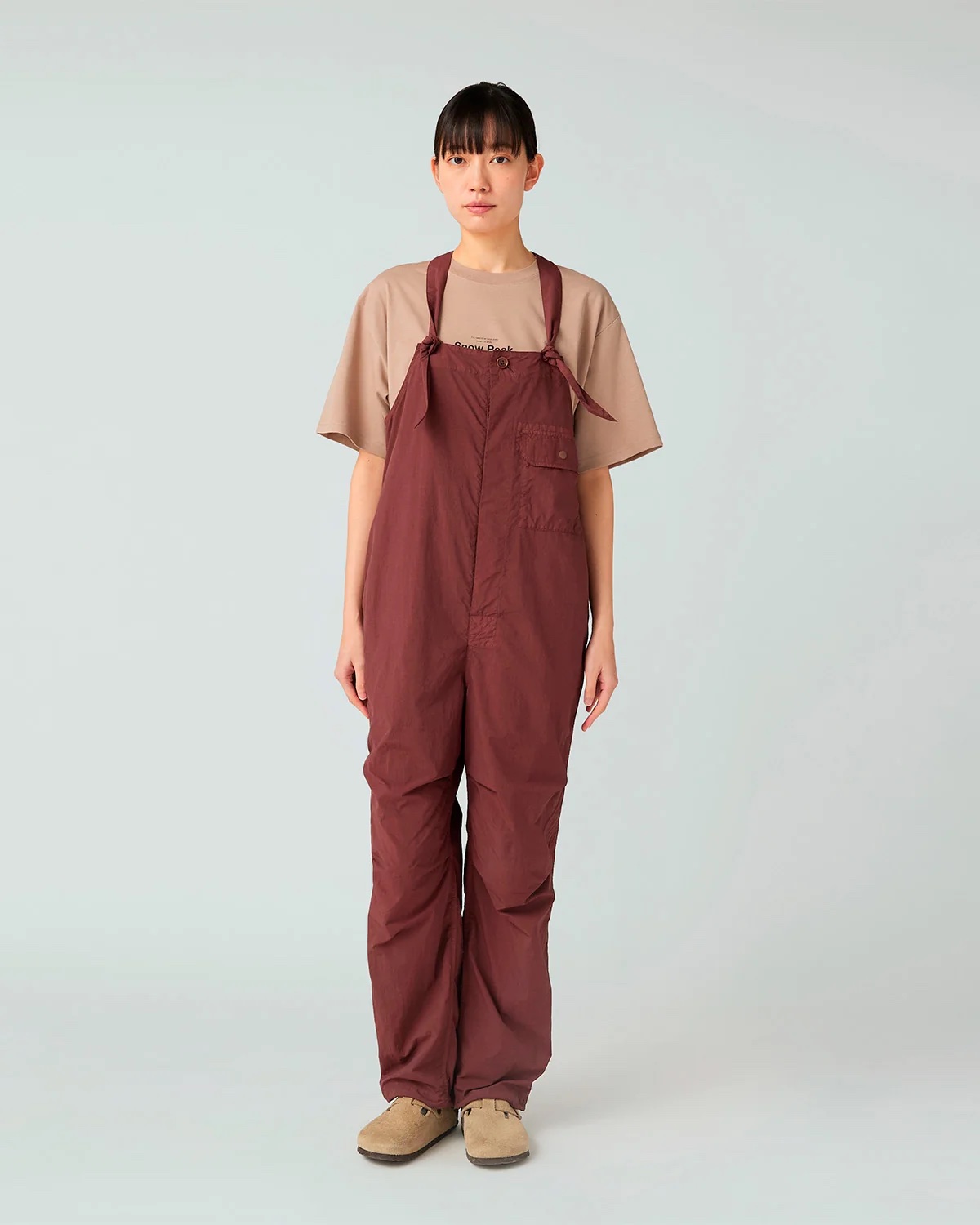
Snow Peak - Garment dye Overalls
Consequently, garment dyeing is a natural fit for today's popular workwear, utility, and military aesthetics.
Consumers are increasingly attaching importance to "why a garment looks unique."
This is a type of value that traditional industrial manufacturing struggles to provide. While mass-produced industrial goods imply absolute uniformity—where every single item is identical—garment dyeing offers something different: the garments share the same color, yet each piece may exhibit subtle variations. This actually fosters a sense among consumers that "this specific piece belongs to me."
A garment-dyed piece tells a different story—because the garment is dyed after being sewn, subtle color variations emerge across seams, pockets, and different materials. The product thus acquires an added narrative. This aligns with the growing consumer emphasis on personalization, a handcrafted feel, and uniqueness. C.P. Company even regards this quality—the fact that the result cannot be perfectly replicated—as one of the core values of garment dyeing.
It is particularly well-suited for today's small-batch production.
This is especially significant for apparel brands and factories. If a brand plans to launch a product in eight colors, it traditionally entails managing eight color variations across fabric sourcing, dyeing, and inventory.
Garment dyeing, however, allows color decisions to be deferred as long as possible. The process can proceed by first producing greige or PFD (Prepared-For-Dyeing) fabric, cutting and sewing the garments, and then determining the final colors based on actual sales performance.
This approach offers immense value for small-batch brands, DTC (Direct-to-Consumer) labels, independent designers, and scenarios involving rapid reordering, seasonal products, or items with frequent color variations.
Recent research from 2026 continues to identify "rapid response to market changes" and "inventory reduction" as the core advantages of garment dyeing. This reveals a fascinating phenomenon:
Decades ago, garment dyeing addressed the challenge of minimizing color-specific inventory. Decades later, it is solving that same problem once again—only now, the imperatives of small-batch production, rapid response, and the mitigation of inventory risk have become even more critical in the apparel market.
Chapter 6: So, has garment dyeing really made a comeback?
Strictly speaking, it never truly disappeared. A more accurate description would be that garment dyeing has evolved from a mere production technique back into a form of product language that resonates with consumers.
Over the past few decades, it has gone through three stages: the first (1960s–1970s) focused on resolving supply chain issues; the second (1970s–2000s) saw it emerge as a design language; and the third (2010s–present) involves its readaptation to the modern apparel market.
Consequently, it has once again become a staple in the product lineups of many contemporary clothing brands. Take Carhartt WIP today, for instance: garment-dyed items are no longer just occasional specialty pieces but constitute dedicated product lines spanning categories such as T-shirts, sweatshirts, polos, trousers, shirts, and jackets.
Its core value lies in a combination of small-batch production, rapid response, vintage aesthetics, workwear influences, material experimentation, and product differentiation.
The real story isn't just that "garment dyeing is back in fashion."
To view this simply as a case of "retro style making a comeback, hence the resurgence of garment dyeing" is to underestimate the process. Its true value lies in its ability to simultaneously address several challenges facing today's apparel industry.
Aesthetics
- Consumers desire clothing that feels natural, soft, and vintage, with a sense of lived-in character. Garment dyeing delivers precisely that "lived-in" look.
Product Personalization
- Standard garments often boil down to a simple formula: fabric + color + silhouette. Garment dyeing allows material, structure, and color to all function as integral design elements.
Supply Chain
- Brands are increasingly reluctant to commit to large inventories of specific colors upfront. Garment dyeing allows color decisions to be deferred to the later stages of production.
Small-Batch Production
- Brands do not necessarily need to develop large quantities of fabric for every single color. Garment dyeing is better suited for flexible, small-batch manufacturing.
Technical Apparel
- Modern clothing is becoming increasingly complex. Garment dyeing technology is now expanding to include materials such as nylon, coated fabrics, membranes, and Gore-Tex.
More articles
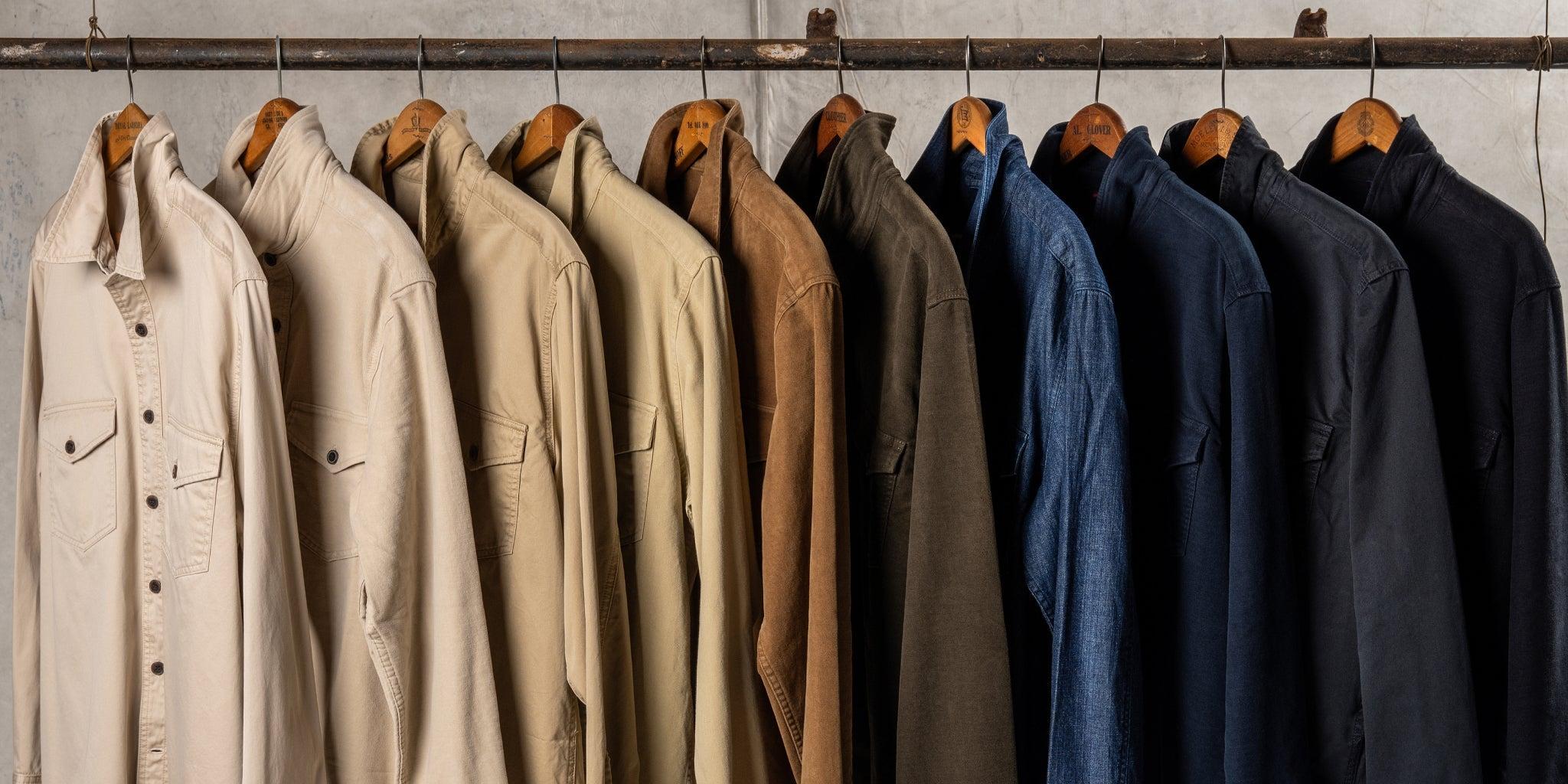
How to Order From a Garment Dyeing Manufacturer: A Step-by-Step Guide
A step-by-step guide to ordering garment-dyed shirts and workwear: the brief, lab dip, dyed sample, bulk and final checks, plus what drives cost and MOQ.
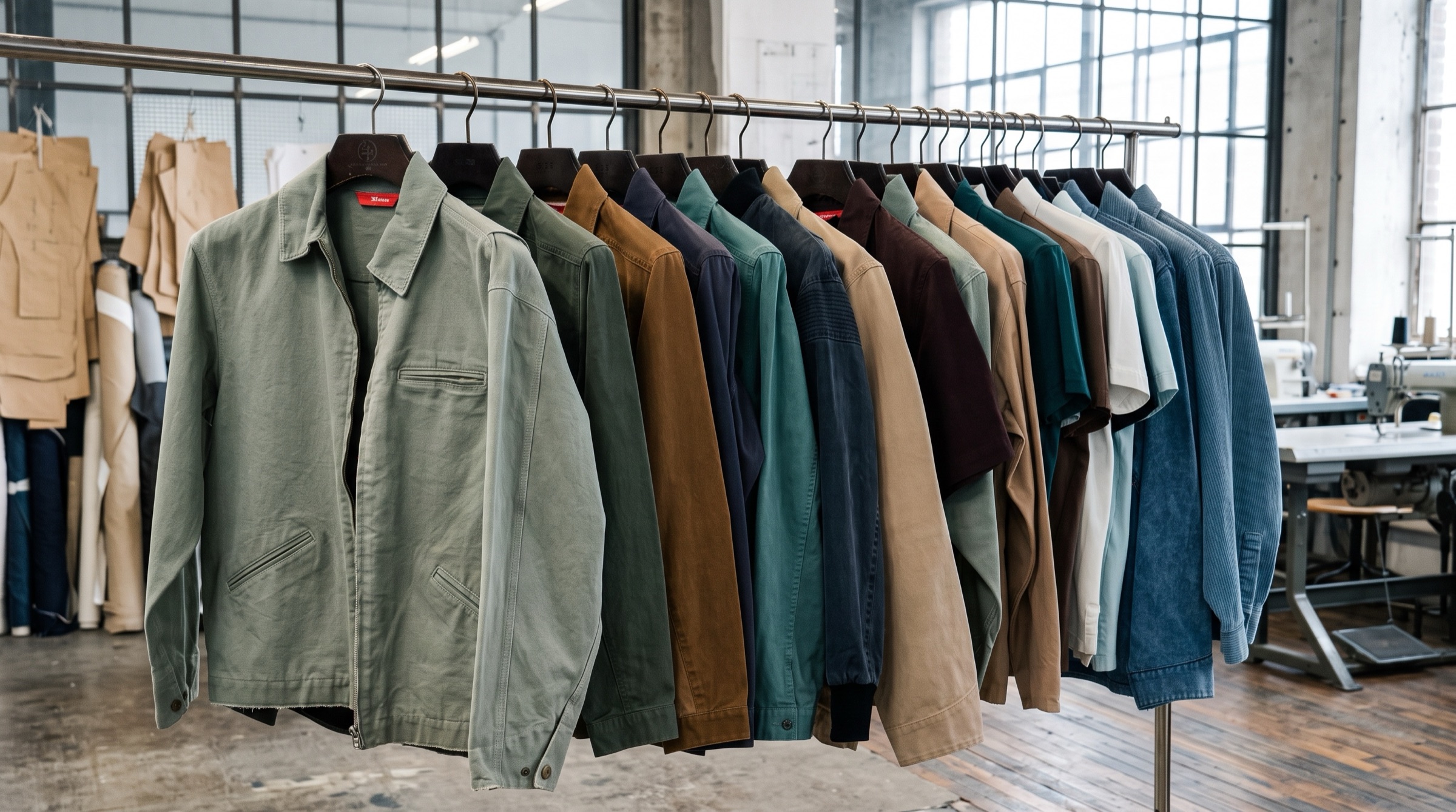
How Garment Dyeing Works: A Factory Guide for Shirts and Workwear
How garment dyeing works on woven shirts, overshirts and workwear, step by step from PFD fabric to the final wash, and what it changes in the finished garment.
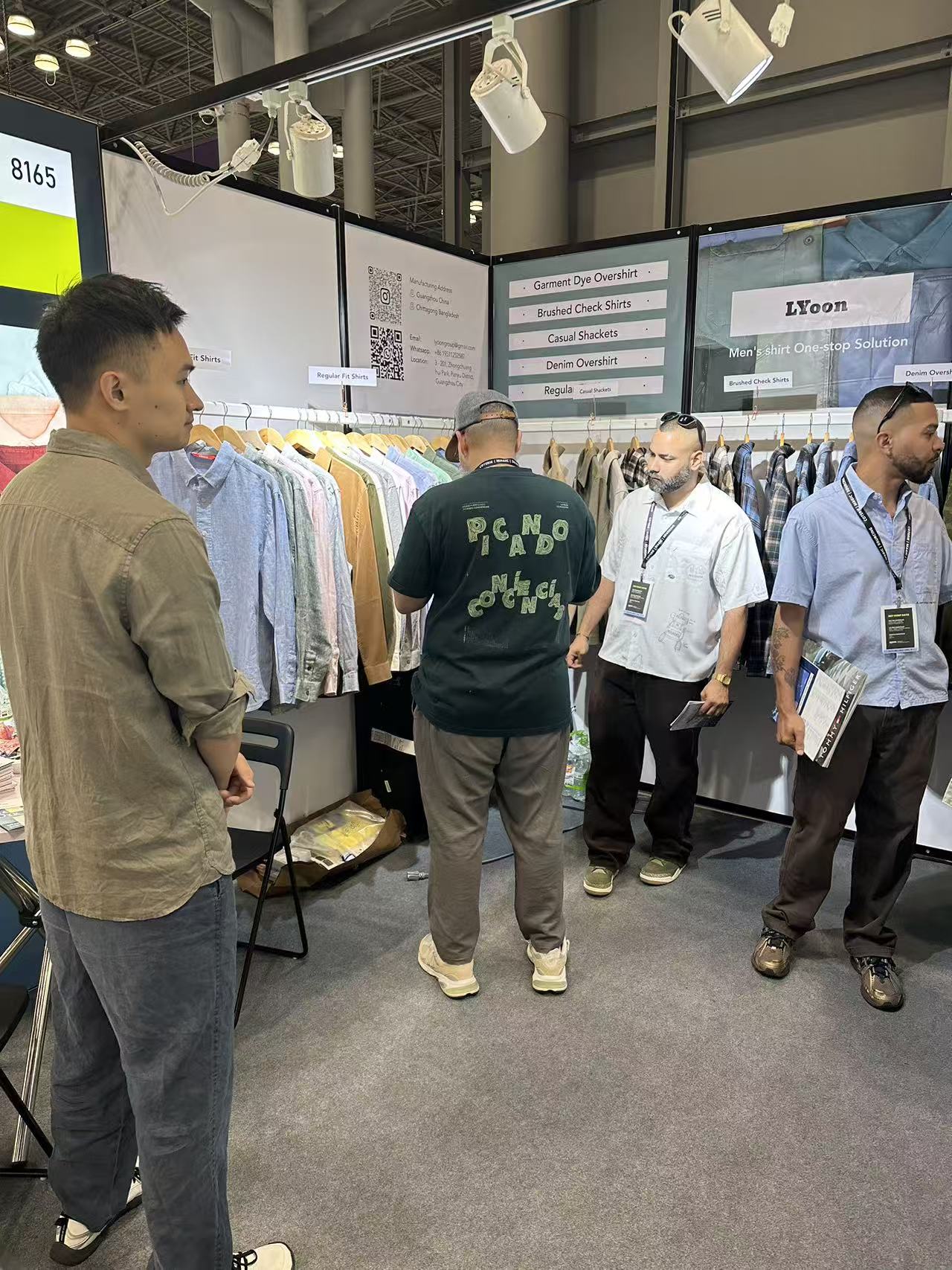
Lyoon at Sourcing by Informa New York, September 2026
From September 9 to 11, 2026 we showed garment-dyed jackets and shirts, flannel and cotton/linen shirts in New York, and met more than 40 brands.